The resource of a century
Oil moves goods and people, powers industry and underpins the chemistry of modern materials. A disruption in its supply travels quickly through prices, trade and policy. That is why oil became more than a commodity: a strategic resource.
Stocks against uncertainty
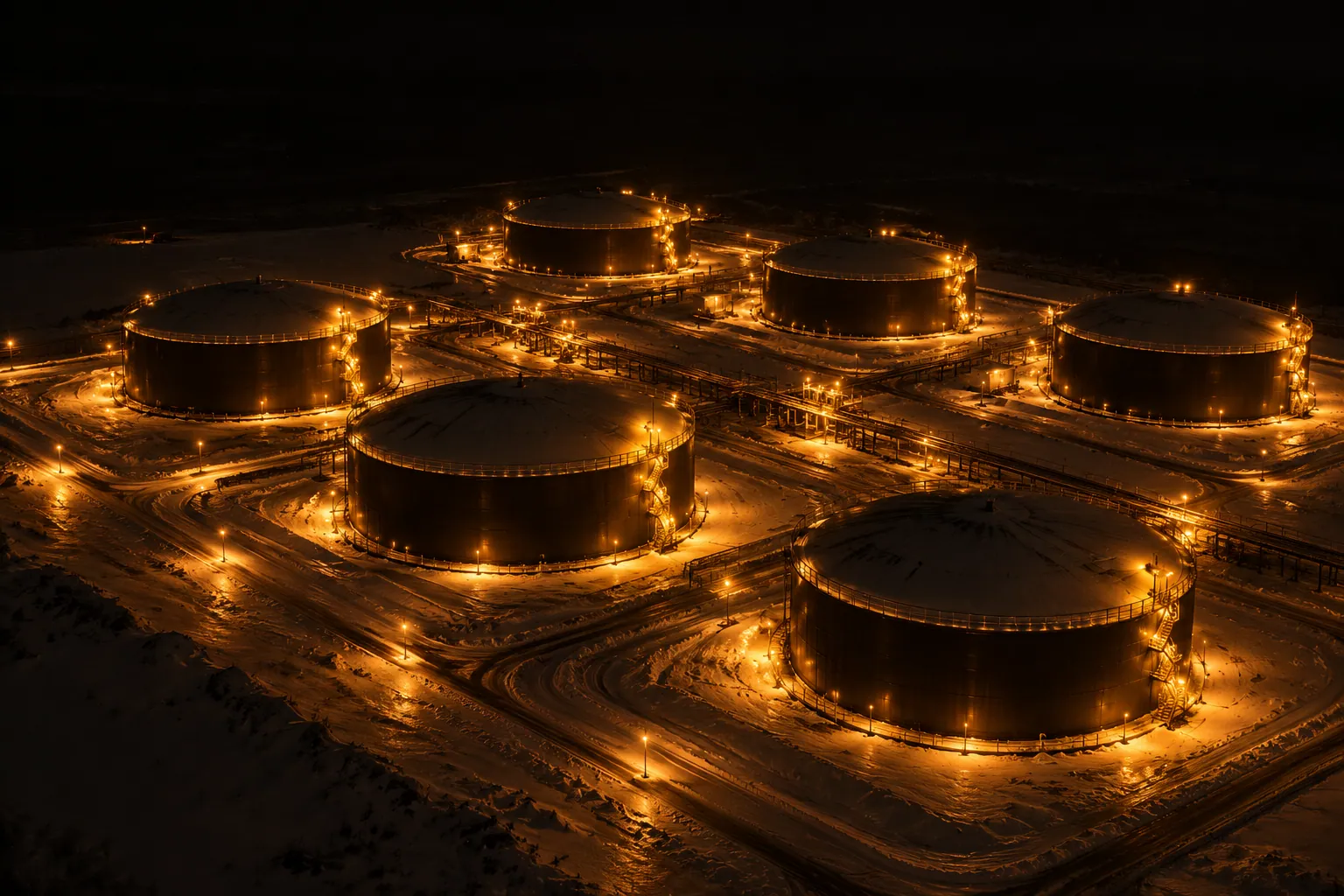
After the supply shocks of the 1970s, holding oil in reserve became a matter of state planning. The International Energy Agency asks its member countries that import oil to hold emergency stocks equal to at least ninety days of net imports. The United States authorised its Strategic Petroleum Reserve in 1975.
A reserve is a promise of readiness, and it is only as credible as the information behind it.
Reading a barrel
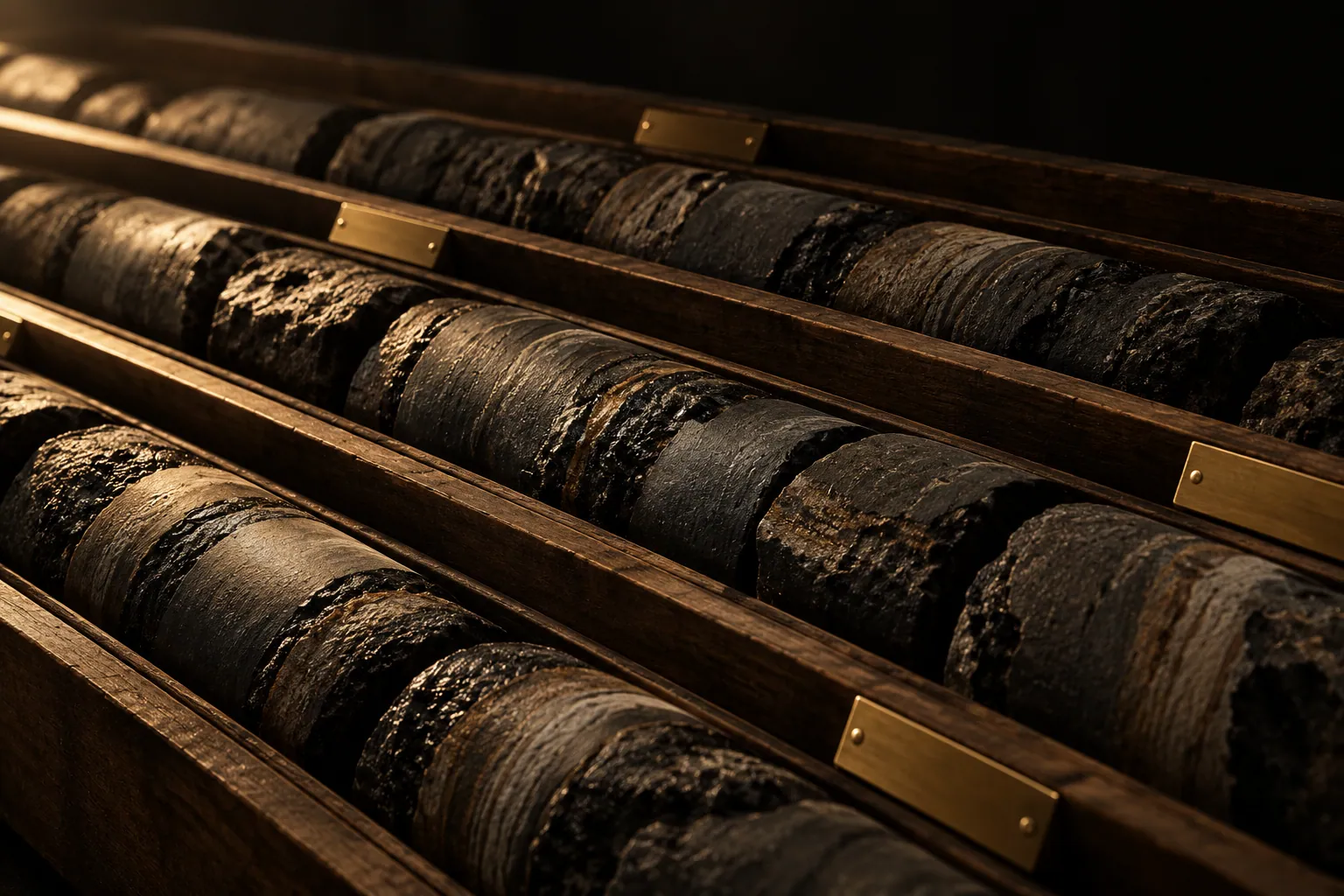
The oil barrel is a unit of measurement: 42 US gallons, or about 159 litres. Most crude is priced against a few reference grades. Brent began as crude from the North Sea and remains the main international reference. WTI is a light US crude priced at Cushing, Oklahoma. Urals is the main Russian export blend, usually quoted at a difference to Brent.
From reserve to symbol
$ROR borrows the image of energy held in reserve and gives it a simple digital form on Solana. It is a token, not a barrel: it holds no oil, follows no oil price and carries no claim on any asset. What it keeps from the idea of a reserve is the discipline of a public record.
Published for information only. Not financial advice. Legal & risks